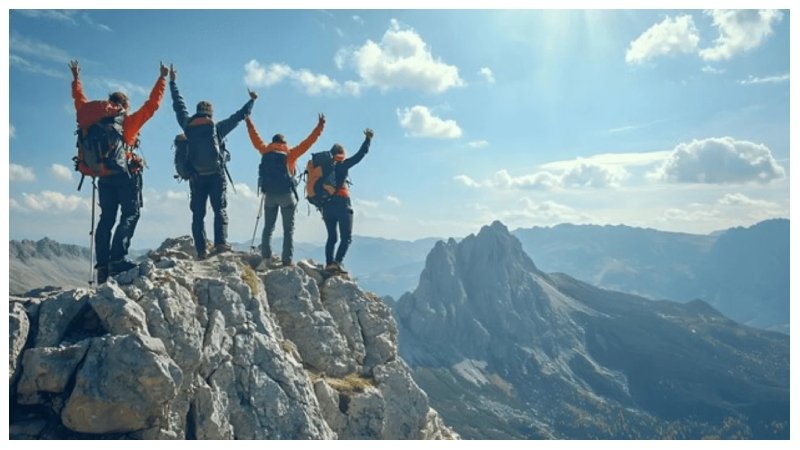
In a world where travelers and researchers constantly search for new frontiers, daskusza exploration has emerged as a fascinating concept that captures curiosity and adventure. Whether you’re an explorer at heart, a researcher seeking untouched landscapes, or simply someone intrigued by hidden destinations, understanding daskusza exploration opens the door to a unique journey of discovery.
This comprehensive guide covers everything you need to know about daskusza exploration — its meaning, significance, benefits, and how you can begin your own adventure.
What Is Daskusza Exploration?
Daskusza exploration refers to the intentional discovery and study of lesser-known, mysterious, or under-documented territories. Unlike mainstream tourism or traditional research expeditions, daskusza exploration focuses on:
- Remote and uncharted regions
- Hidden natural formations
- Undiscovered cultural heritage
- Scientific mysteries waiting to be understood
At its core, daskusza exploration combines curiosity, preparation, and innovation to uncover what remains beyond conventional maps and popular destinations.
Why Daskusza Exploration Matters
Exploration has shaped human history. From ancient navigators crossing oceans to modern scientists mapping deep-sea trenches, discovery fuels progress. Daskusza exploration plays a critical role in:
Expanding Knowledge
Exploring unknown environments often leads to new scientific findings, ecological insights, and cultural discoveries.
Preserving Hidden Heritage
Many isolated regions hold traditions, artifacts, and histories that risk being forgotten. Responsible exploration helps document and protect them.
Encouraging Sustainable Discovery
Unlike mass tourism, daskusza exploration promotes mindful and minimal-impact engagement with environments.
Inspiring Innovation
New terrains demand new tools, technologies, and creative solutions, driving advancement across multiple industries.
Key Elements of Successful Daskusza Exploration
To fully understand daskusza exploration, it’s important to recognize the foundational elements that make it effective.
Strategic Planning
Every successful expedition begins with thorough research and logistical planning. Explorers must consider terrain, climate, safety risks, and accessibility.
Technological Support
Modern exploration benefits from:
- Satellite mapping
- Drone imaging
- GPS navigation
- Environmental monitoring tools
Technology enhances safety and allows deeper investigation of hard-to-reach areas.
Environmental Responsibility
Daskusza exploration emphasizes sustainability. This includes:
- Leaving no trace
- Respecting local ecosystems
- Avoiding habitat disruption
- Collaborating with local communities
Types of Daskusza
Daskusza exploration can take various forms depending on objectives and environments.
Natural Terrain Exploration
This involves studying mountains, forests, deserts, caves, or underwater ecosystems that remain largely undocumented.
Cultural Exploration
Explorers may seek remote communities with unique customs, languages, and traditions that have minimal external exposure.
Scientific Exploration
Researchers often pursue unexplored regions to gather data on climate patterns, biodiversity, geology, and archaeology.
Digital Exploration
In the modern age, daskusza can extend to virtual mapping, archival research, and AI-assisted discovery of hidden data patterns.
Challenges in Daskusza Exploration
While exciting, daskusza comes with significant challenges:
- Harsh weather conditions
- Limited communication access
- Navigation difficulties
- Physical and mental endurance demands
- Legal and territorial regulations
Understanding these challenges helps explorers prepare adequately and minimize risk.
How to Start Your Own Daskusza Journey
If you’re inspired to begin your own daskusza exploration, here’s a practical roadmap:
Define Your Objective
Are you exploring for research, adventure, documentation, or conservation?
Conduct Thorough Research
Study maps, climate data, historical references, and local regulations.
Build the Right Team
Depending on your mission, you may need scientists, guides, survival experts, or technical specialists.
Secure Proper Equipment
Essential tools might include navigation systems, safety gear, recording devices, and communication equipment.
Prioritize Safety and Ethics
Respect nature and local communities. Ethical exploration ensures long-term sustainability.
The Future of Daskusza Exploration
As technology continues to evolve, the future of daskusza looks promising. Innovations such as AI-driven terrain analysis, advanced satellite imaging, and eco-friendly expedition gear are reshaping how explorers approach remote territories.
Additionally, growing awareness around sustainable travel encourages more responsible exploration models, reducing environmental impact while maximizing discovery potential.
Benefits of Engaging in Daskusza
Participating in daskusza exploration offers both personal and societal rewards:
- Enhanced problem-solving skills
- Greater resilience and adaptability
- Cultural appreciation
- Contribution to scientific progress
- Unique, life-changing experiences
Exploration not only changes the map — it changes the explorer.
Final Thoughts
Daskusza exploration represents more than adventure; it embodies curiosity, responsibility, and the drive to uncover the unknown. In a time when much of the world seems mapped and documented, true discovery still exists for those willing to look deeper.
Whether you approach it as a researcher, traveler, or visionary thinker, daskusza invites you to step beyond boundaries and embrace the thrill of authentic discovery.
If you’re ready to venture into the unexplored, the journey begins with curiosity — and the courage to pursue it. Visit worldmapquest.com for more details.